The Power of Debating: Extending Critical Skills and Oracy in the Classroom – A Teaching and Learning Session
24 June 2025 - Academic
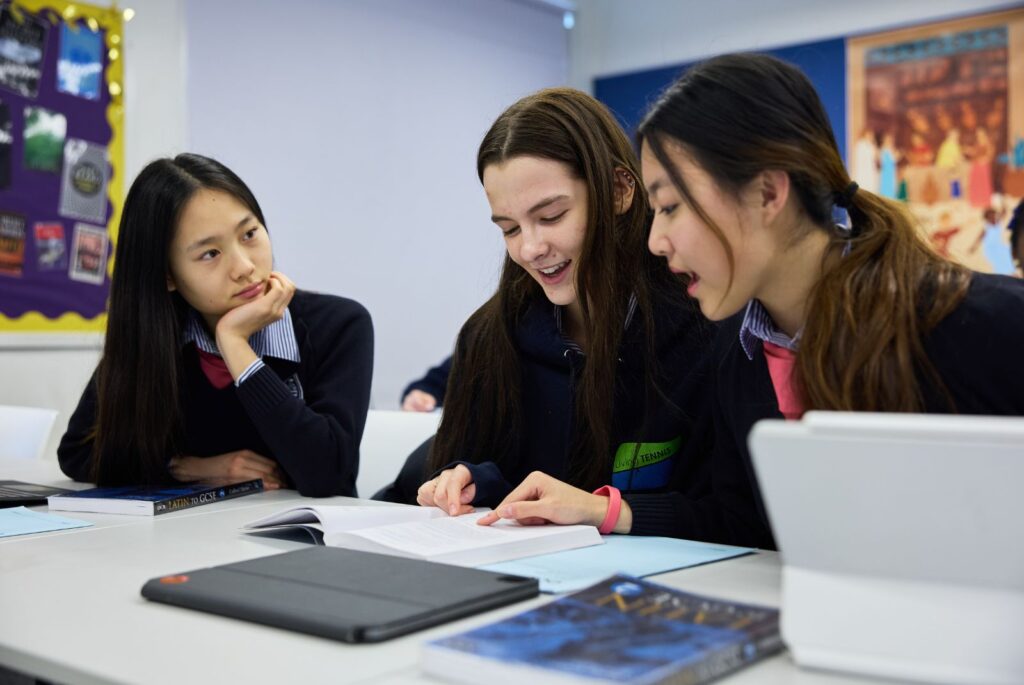
A recent staff CPD session explored the transformative role of debating in enhancing pupils’ critical thinking, communication and oracy skills. Building on previous work around classroom debate, the session highlighted how structured discussion can elevate learning across subjects.
The session emphasised the importance of oracy, examining how debate supports higher-order thinking, introduces diverse perspectives and fosters deeper engagement. It also reviewed a range of debate formats and strategies for integrating live debates into everyday lessons.
Theoretical Foundations
The session drew on several key studies to support its pedagogical approach:
· Mercer, Wegerif & Dawes (1999): Structured exploratory talk, including debate, significantly enhances reasoning and collaborative problem-solving.
· Osborne, Erduran & Simon (2004): Argumentation-based tasks improve the quality of discourse and conceptual understanding.
· Alexander (2017) and Jay et al. (2017): Dialogic teaching, which includes structured debate, leads to measurable improvements in English and Maths outcomes, with gains of up to two months in English performance.
Broader Benefits of Debating
Beyond academic outcomes, debating offers a wide range of benefits:
· Sharpens critical thinking and communication skills.
· Boosts pupil engagement and motivation.
· Fosters research, teamwork and collaboration.
· Enhances listening and note-taking abilities.
· Builds confidence in public speaking and articulating complex ideas.
Debating Approaches for the Classroom
Several adaptable debate formats were introduced, suitable for various subjects and age groups:
1. Four Corners: Pupils move to a corner of the room based on their stance on a statement, encouraging spontaneous discussion.
2. Hot Seat: A pupil adopts a role or viewpoint and answers peer questions, promoting empathy and perspective-taking.
3. British Parliamentary Debate: A formal structure with opposing teams, ideal for developing argumentation and rebuttal skills.
4. Conference: Pupils represent different stakeholders in a simulated discussion, encouraging collaboration and negotiation.
5. Fishbowl: A small group debates in the centre while others observe and later join in, promoting active listening and reflection.
Cross-Curricular Applications
Teachers collaborated in groups to plan how to embed debate into their lessons. Examples include:
· Mathematics: Debating the use of calculators in exams.
· Art: Discussing the value of AI-generated art.
· Science: Exploring the ethics of GMOs in agriculture.
· French: Debating school uniforms in France.
These examples demonstrate how debate can be tailored to diverse curricular goals, enriching both subject knowledge and transferable skills.
At Wycombe Abbey, we are committed to delivering world class teaching. Our CPD programme fosters a culture of collaboration and continuous improvement, enabling staff to share best practice and innovate in the classroom.
Miss Tara Strange
Consultant Teacher
Keep up to date with further news from Wycombe Abbey on our social channels.