Questioning in the Classroom
6 June 2024 - Academic
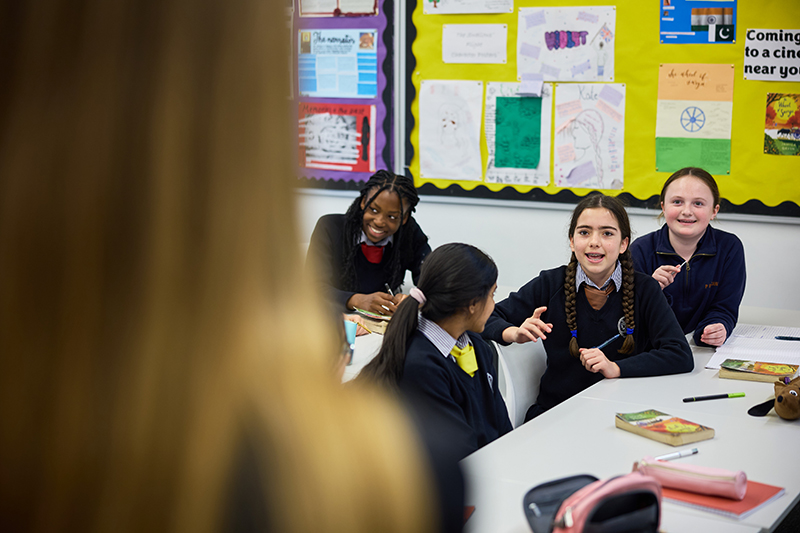
When you were in school, did your teachers wait for pupils to raise their hands before choosing someone to answer a question? Or did they choose people to respond regardless of whether they had raised their hand? Chances are that it was the former. But increasingly, the latter technique – sometimes called ‘cold-calling’ – is becoming the norm.
As Consultant Teacher at Wycombe Abbey, I have been looking into the latest research and thinking around this issue, which I shared at a recent CPD session with teaching staff. What I found is that when used properly, ‘cold-calling’ results in more questions being answered, more thinking, and more voluntary responses from our pupils. On the other hand, relying on ‘hands up’ results in a small number of vocal participants, but many pupils opt out of thinking or answering.
However, recent research suggests that to make cold-calling work best, we need to ensure that there is a welcoming classroom environment where we give pupils enough time to think before inviting responses and involve as many pupils as possible.
This one small but significant change has been shown to greatly impact learning: waiting longer before asking a pupil to respond. While teachers tend to wait an average of only one second before asking for answers, waiting at least 3-5 seconds results in much better-quality responses, longer answers, and fewer don’t knows. Longer wait times also lead to responses from the teacher that are more flexible and sophisticated.
Our teachers are now considering how best to implement these ideas in their classrooms and questioning will continue to be an area of focus for us in the Autumn Term.
Mr Tom Startup
Consultant Teacher
Keep up to date with further news from Wycombe Abbey on our social channels.