Brain Day 2026
27 January 2026 - Academic
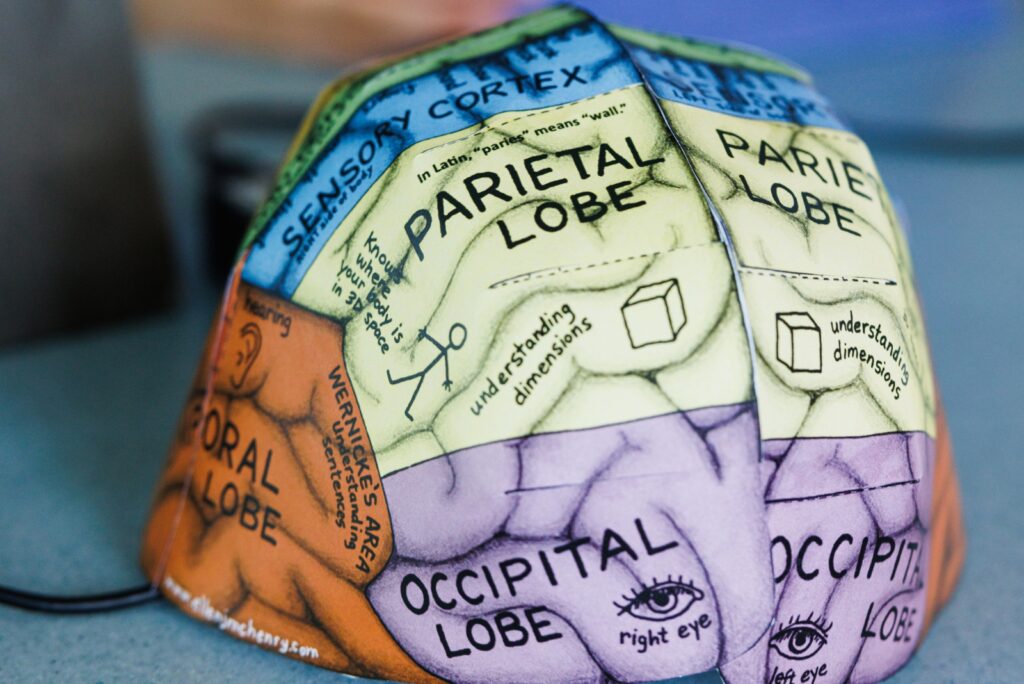
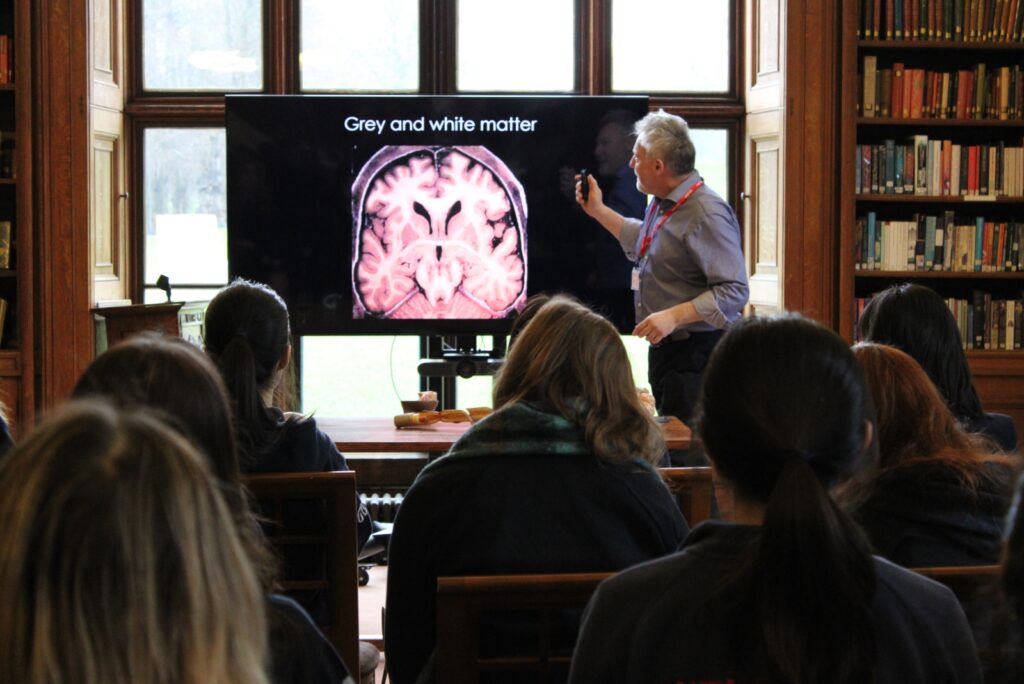
Last week, LVI Psychology pupils took part in Brain Day, an interactive experience led by Dr Guy Sutton, a member of both the British Neuroscience Association and the Liverpool Neuroscience Group, and formerly the Honorary (Consultant) Assistant Professor in the Division of Psychiatry at the University of Nottingham. During the day he delivered highly engaging talks covering various aspects of the subject outside and in relation to the A level course.
LVI pupils Dora and Issy shared their thoughts from the day:
Dora:
‘Brain Day with Dr Guy Sutton was a wonderful, insightful and inspiring experience for all LVI Psychology students as we dove deep into the exploration of human brain. The day began with introduction to different brain sections and their specialized functions. Moving forward, brain maldevelopment, such as lissencephaly and schizencephaly, as well as effects of sleep deprivation and genetic differences on the brain, were thoroughly discussed. Hands-on experience was offered as LVI students were able to participate in the dissection of a sheep’s brain, leaving deep impression of what it truly feels like to be a neuroscientist.
The most enjoyable and fascinating area explored was criminology. We explored various case studies demonstrating how mental disorders can lead to illusions and distorted perceptions. It opened new perspectives, allowing us to realise how crimes associated with the complexity of mental disorder may rise challenging issues about responsibility and accountability. Psychologists aim to understand, explain and discuss the intricate nature of human behaviour, and we truly managed to do this in this mesmerising session.
Dr Guy Sutton encouraged us to look beyond the current research and glimpse into the future were advancing technologies may assist humans in solving brain-related issues. The entire day not only deepened our understanding of neuroscience and Psychology but also inspired us to remain curious, critical, and open-minded about the evolving possibilities within the study of the human brain.’
Issy:
‘A noteworthy case study Dr Sutton provided was about Julia, a woman whose brain activity was measured during seizures allowing doctors to discover the amygdala. After the discovery was made, doctors stimulated the amygdala using electrodes triggering a dramatic behavioural change from calmness to violent outbursts. Research such as this has enabled psychologists to conclude that damage to certain regions of the brain can result in a person’s behaviour and personality becoming starkly altered, emphasising the importance of understanding how to maintain a healthy brain.
Dr Sutton also shared his ideas concerning the development of technology linked to the brain. An example of this is the use of brain implants for ex-prisoners where their behaviour can be monitored. This could subsequently spark debates regarding the ethics surrounding the use of technology to influence the human mind while also offering the potential to improve lives.
Overall, this was a brilliant opportunity to experience lecture style sessions about neuropsychology, with a passionate and thought-provoking speaker. The entire day explored concepts that have inspiring our deeper thinking as well as generating a even further curiosity in Psychology.’
Thank you to Dr Sutton for leading such an insightful and engaging session.
Keep up to date with further news from Wycombe Abbey on our social channels.