Exploring Biodiversity in the Amazon Rainforest
10 September 2025 - All
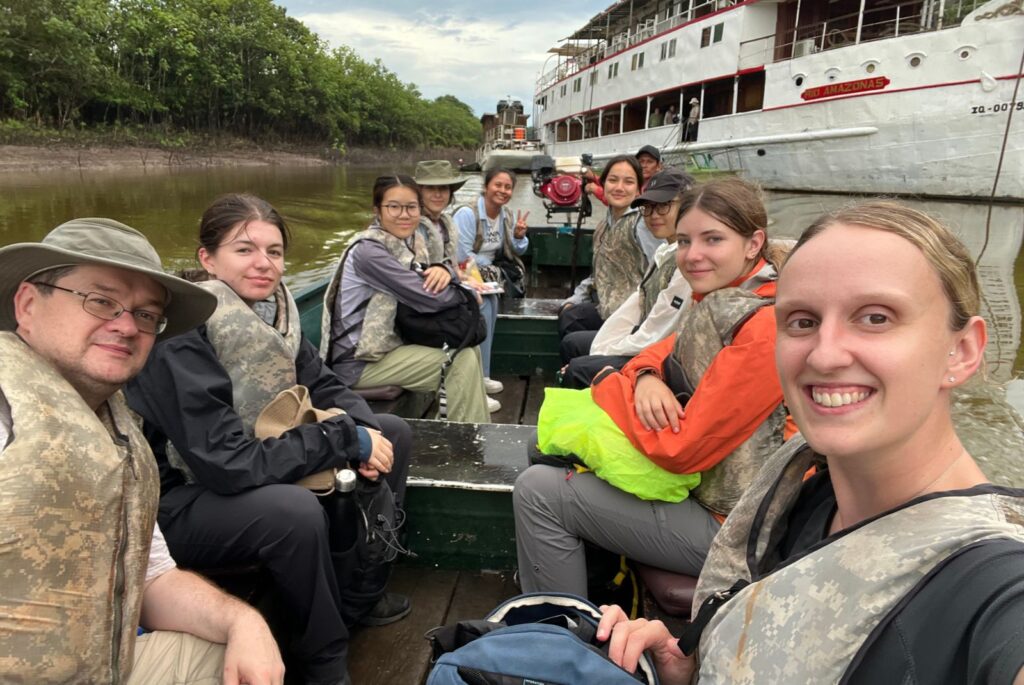
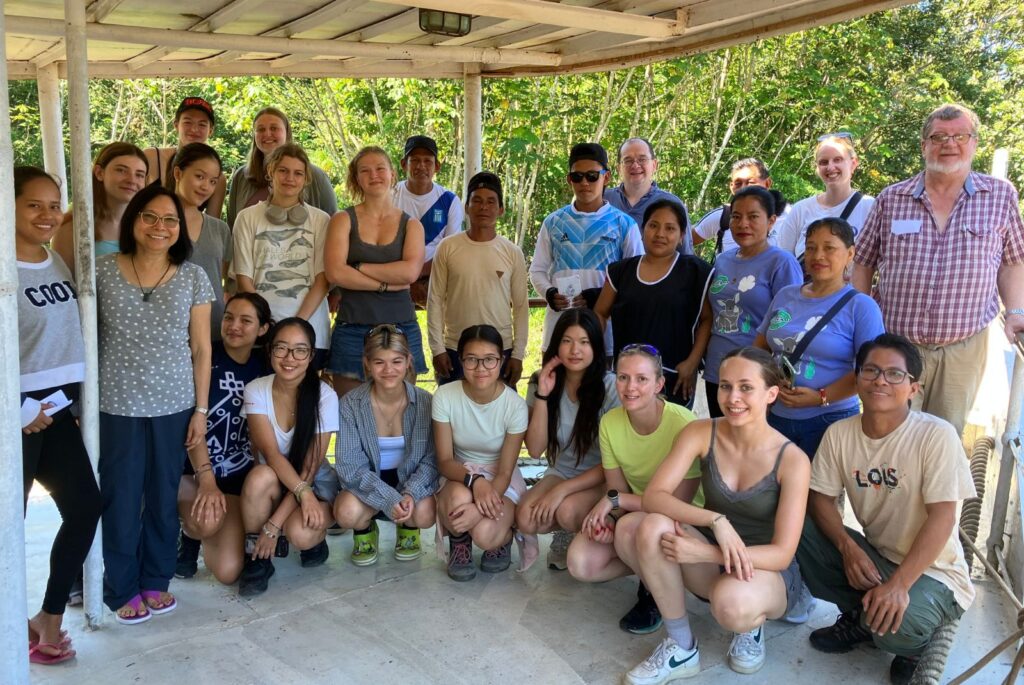
At the end of July, eleven intrepid UV – UVI pupils met me and Miss Rowley at Heathrow airport for the start of an epic 30-hour journey to Iquitos in the Peruvian Amazon.
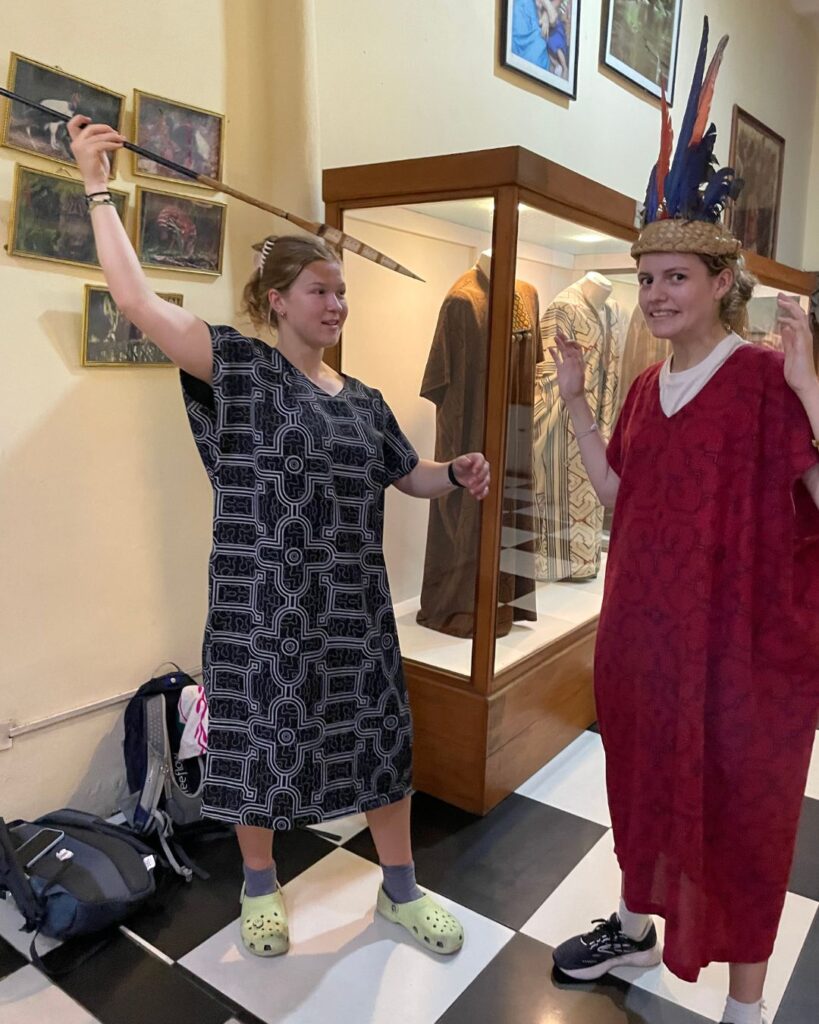
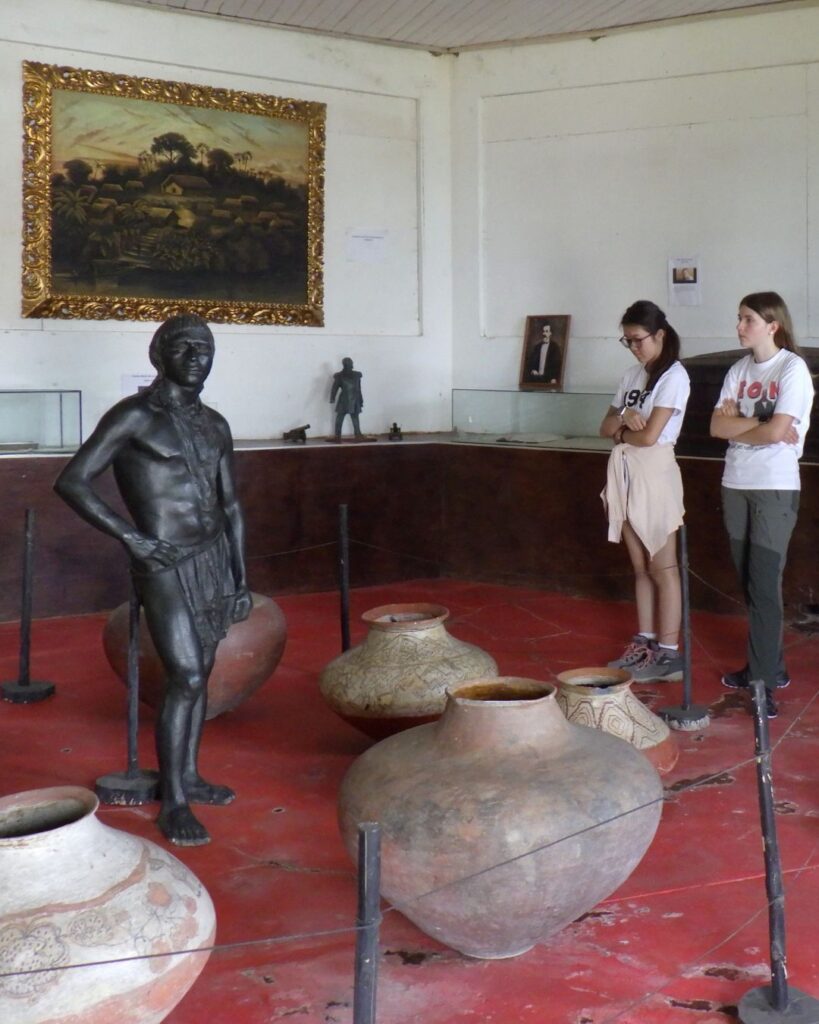
After our first night in the hotel, we travelled towards our destination, a boat moored in a channel off the Amazon River. On the way, we visited a number of museums to learn about the history of the region and the lives of the indigenous communities that we would be visiting and working with.
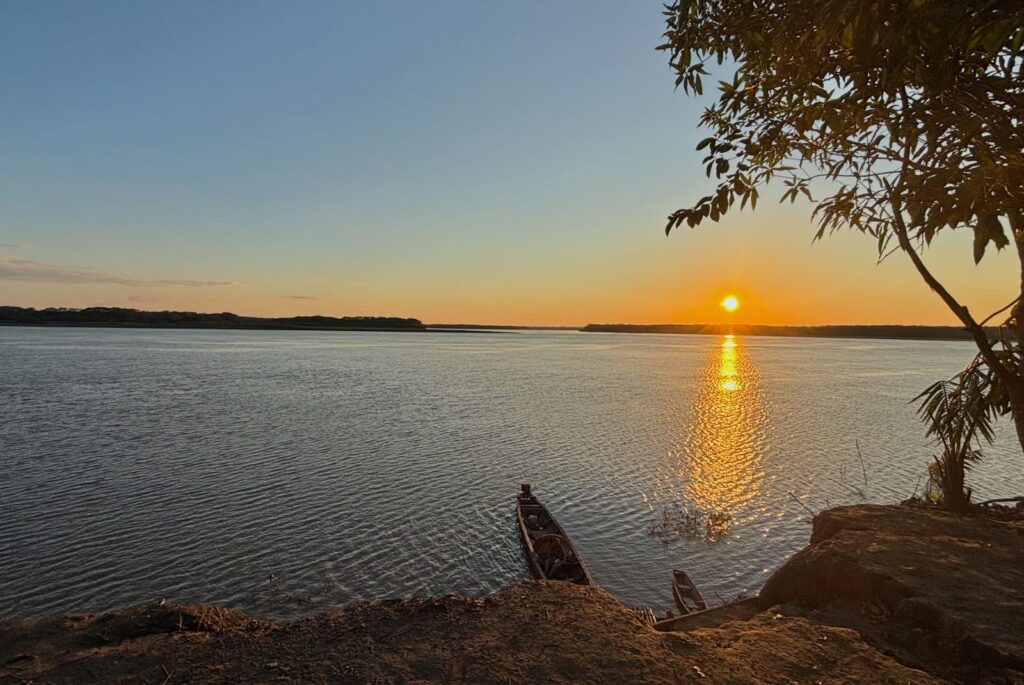
I am sure that everyone will remember their first view of the Amazon. Even at a distance of 2300 miles from the Atlantic, it dwarfs all other rivers that I have seen. We transferred from our coach onto small boats, headed upriver and entered a channel just after the Maranon and Ucayali rivers merge to form the Amazon proper.
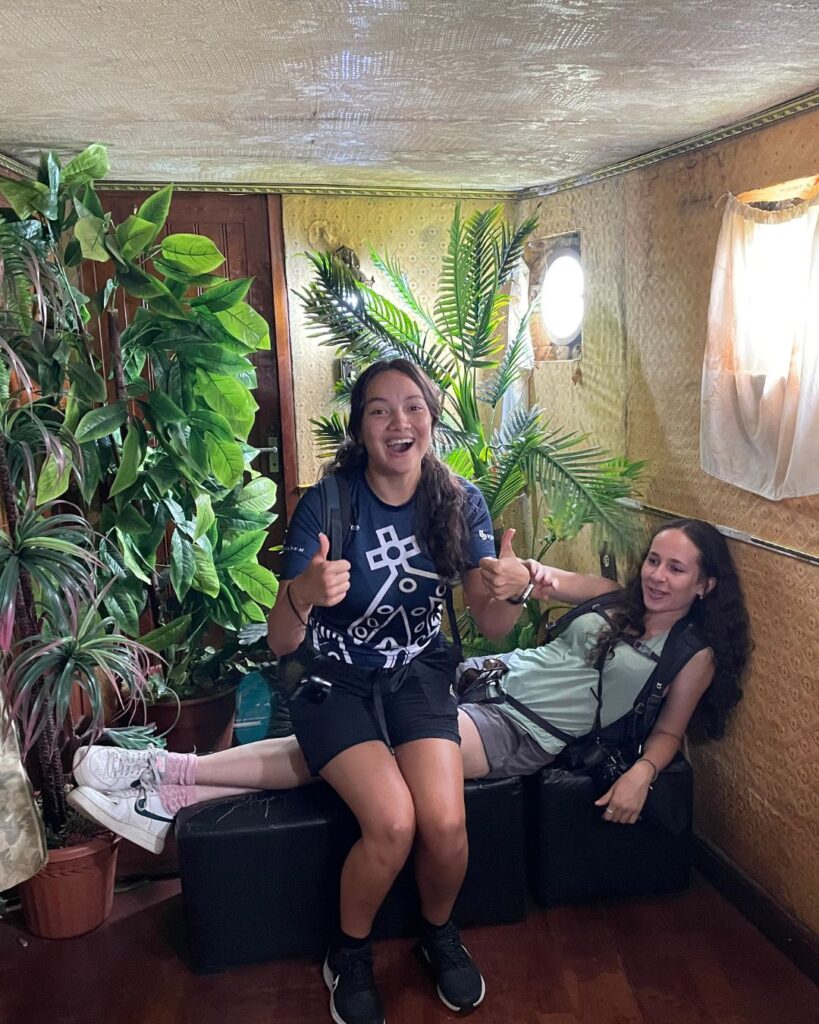
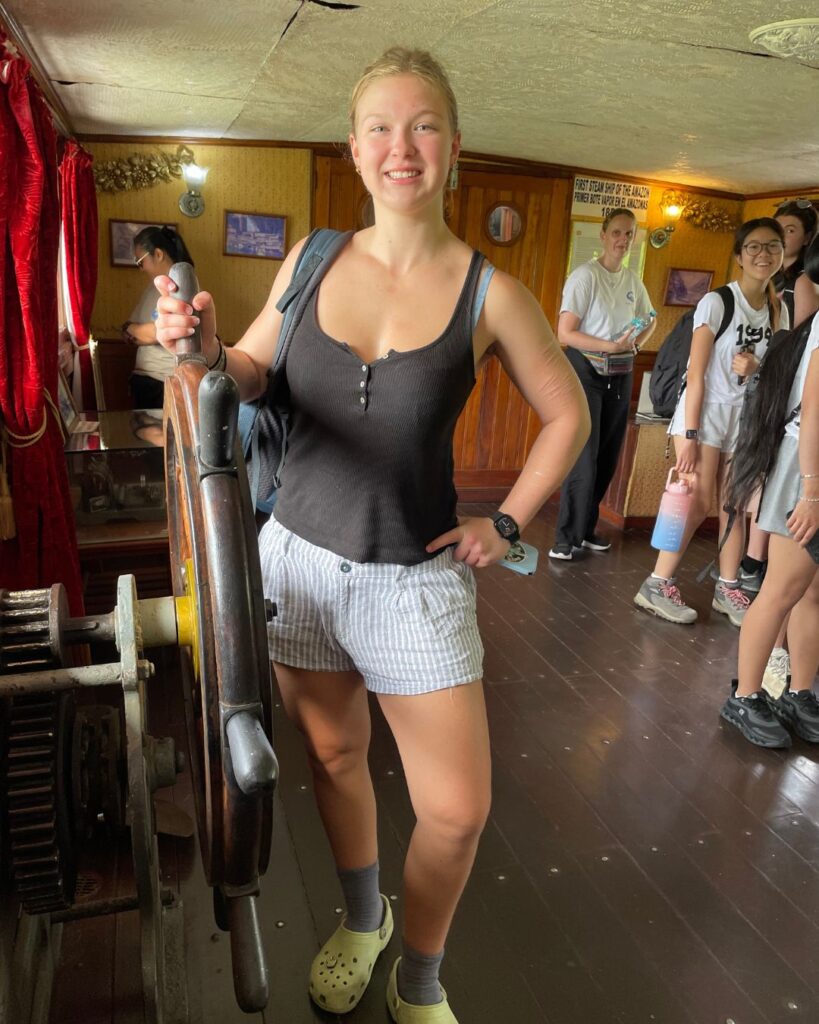
The larger boat that was our home for the next 12 nights was surprisingly comfortable for a jungle expedition, solar power, en-suite showers and a choice of how you would like your eggs in the morning!
After settling in we spent the rest of the day and the following morning receiving lectures on safety and the methodology that we would be using for the different surveys. Then on Monday afternoon, we started collecting data. The aim of the project is to collect data on the local biodiversity. This helps monitor the recovery of the ecosystem and is shared with the local communities to help them to continue their traditional lifestyles in a sustainable manner.
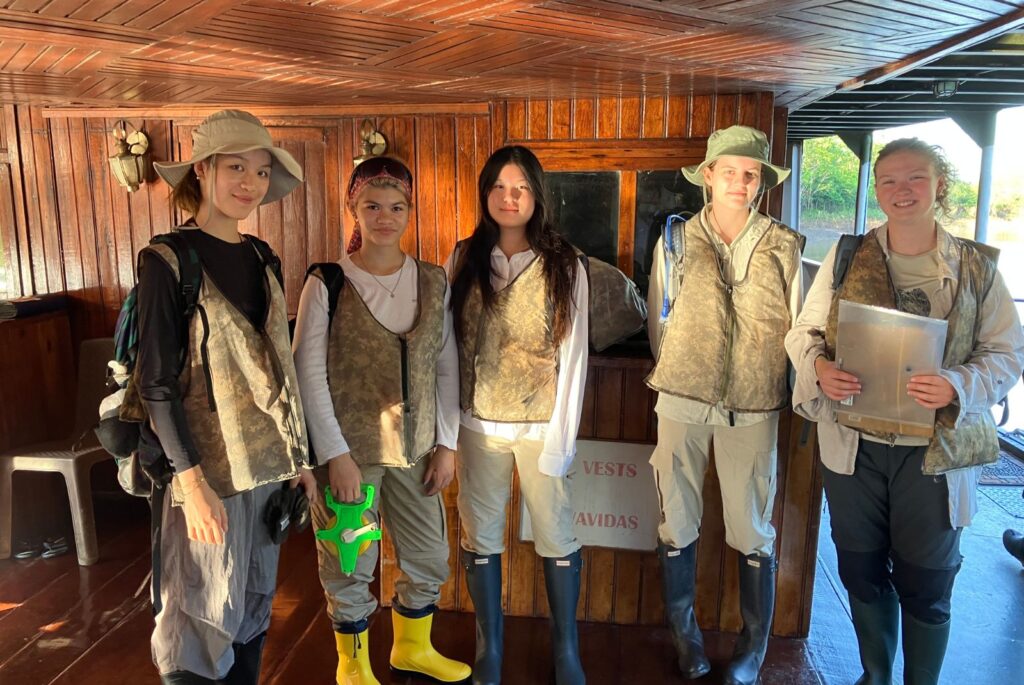
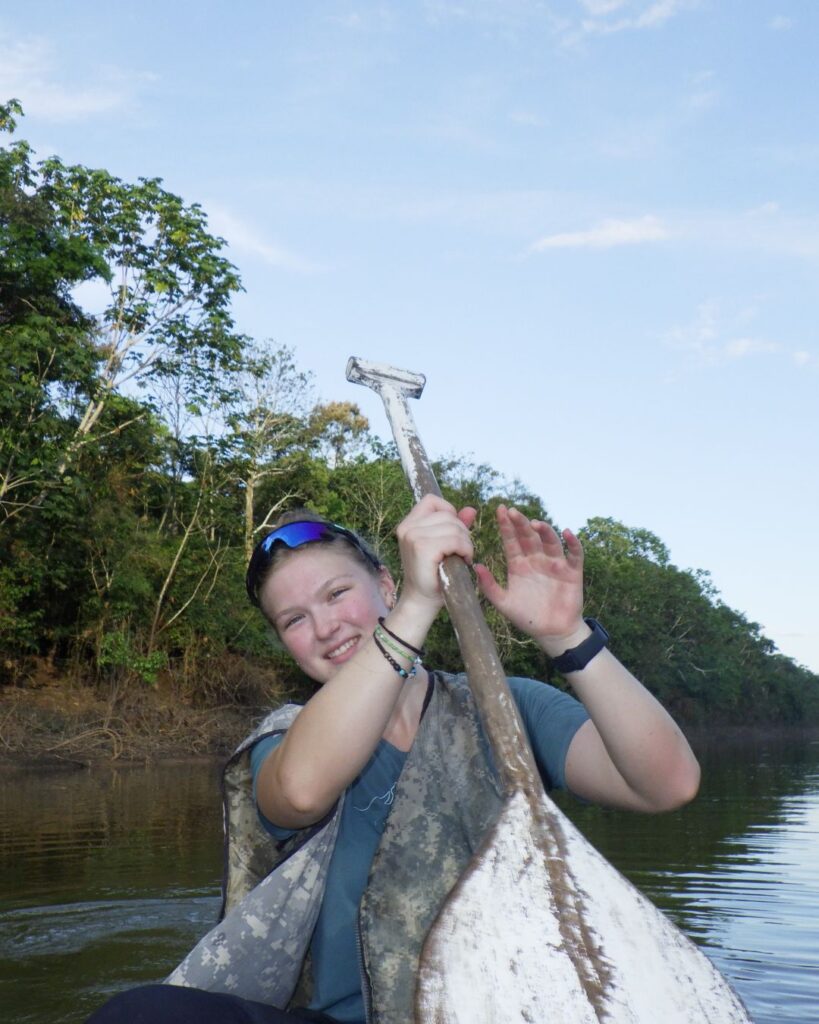
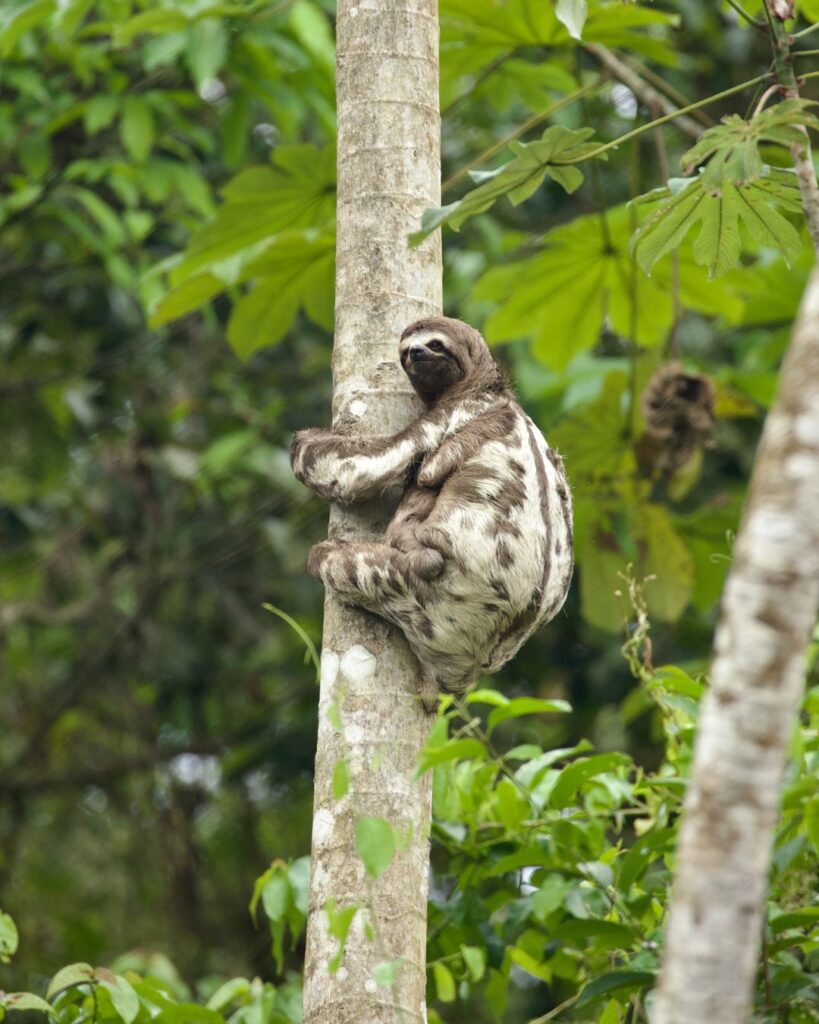
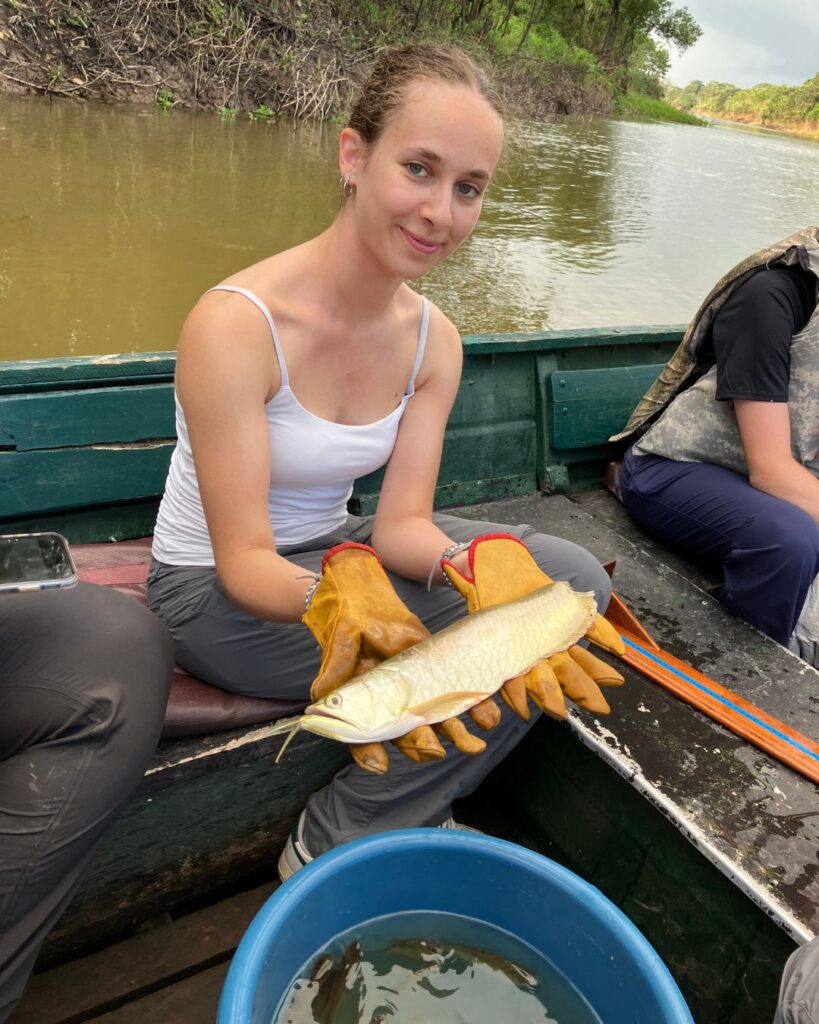
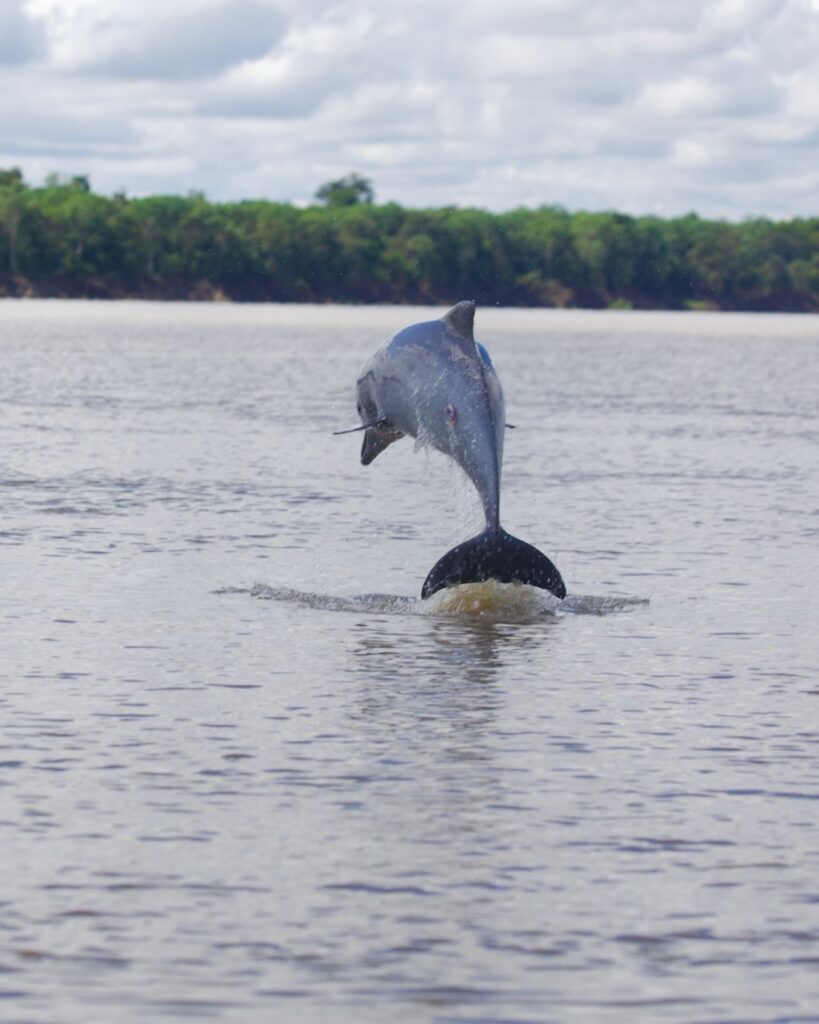
With this in mind, we monitored the local birdlife, both from a small boat and whilst canoeing down the river. The canoe, given its quieter nature, was fantastic for seeing other wildlife, including the ever-popular sloths. A favourite survey was fishing where you pitted your wits with a rod against the elusive fish population, everyone felt elated when catching their first piranha! Other flagship species which were always a delight to see were the pink and grey river dolphins. We monitored their numbers at communal nurseries found in areas where there is a weaker river current.
Towards the end of the trip, we set out on a trek through the jungle. This was a 6km walk through a hot, humid and mosquito-infested forest. On this trip we saw squirrel, capuchin and night monkeys, as well as the pygmy marmoset, the world’s smallest monkey.
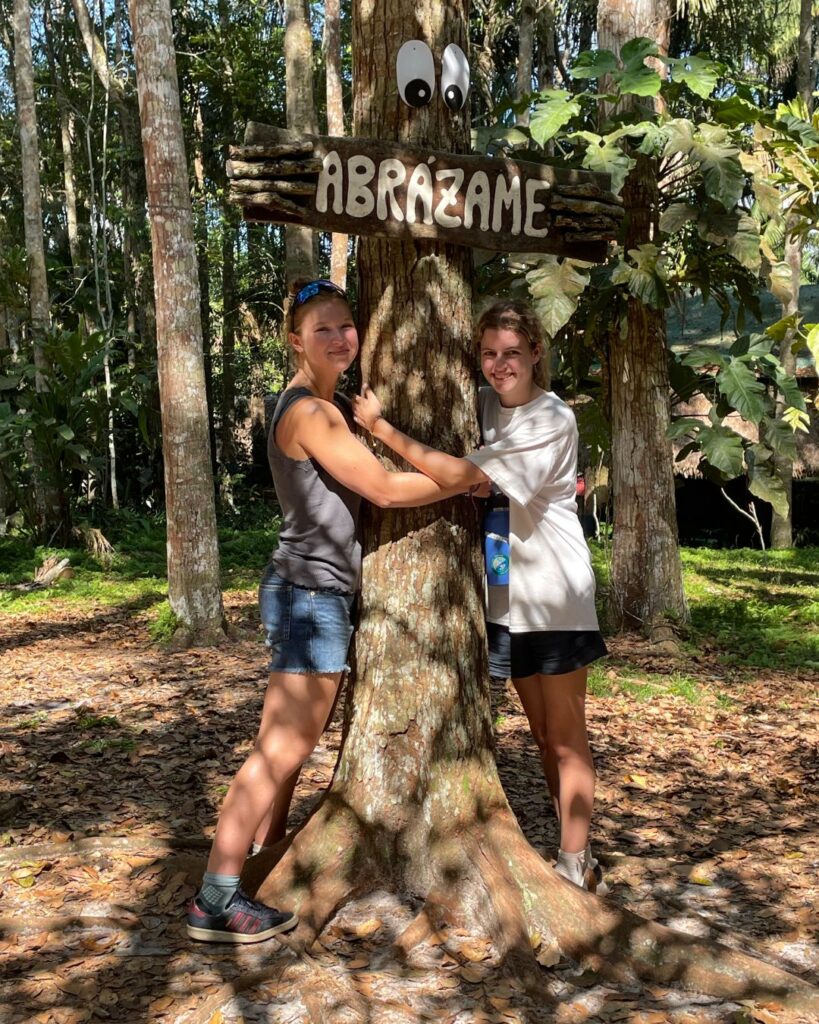
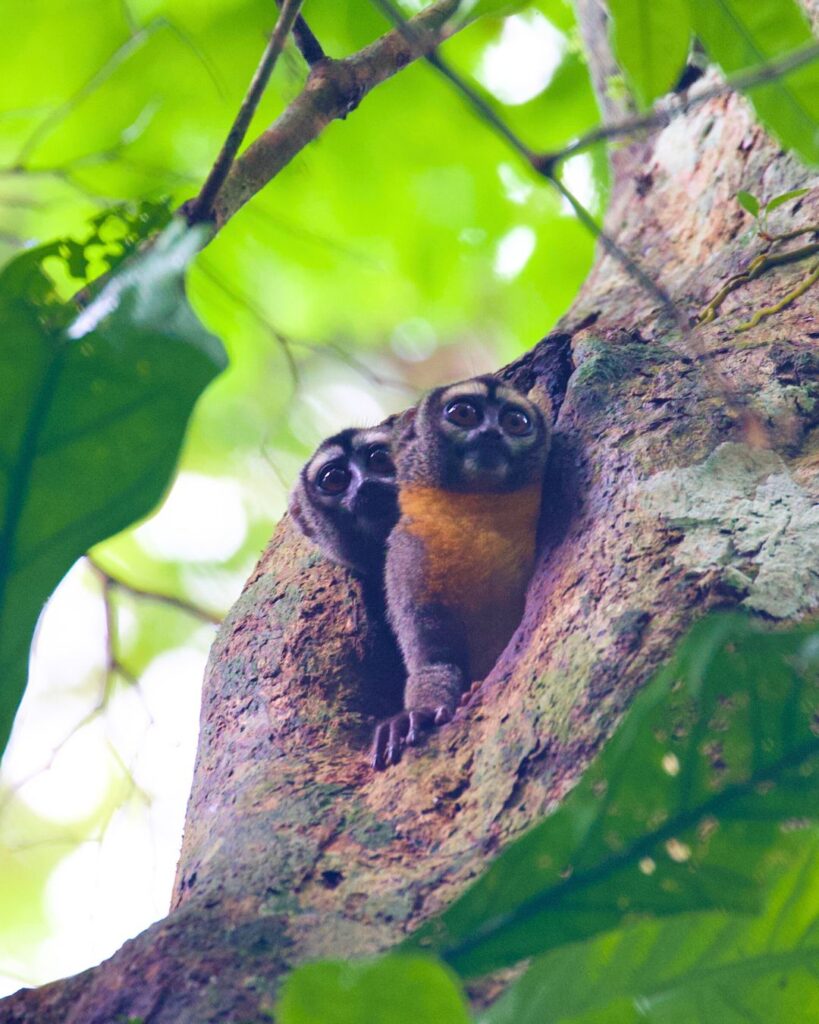
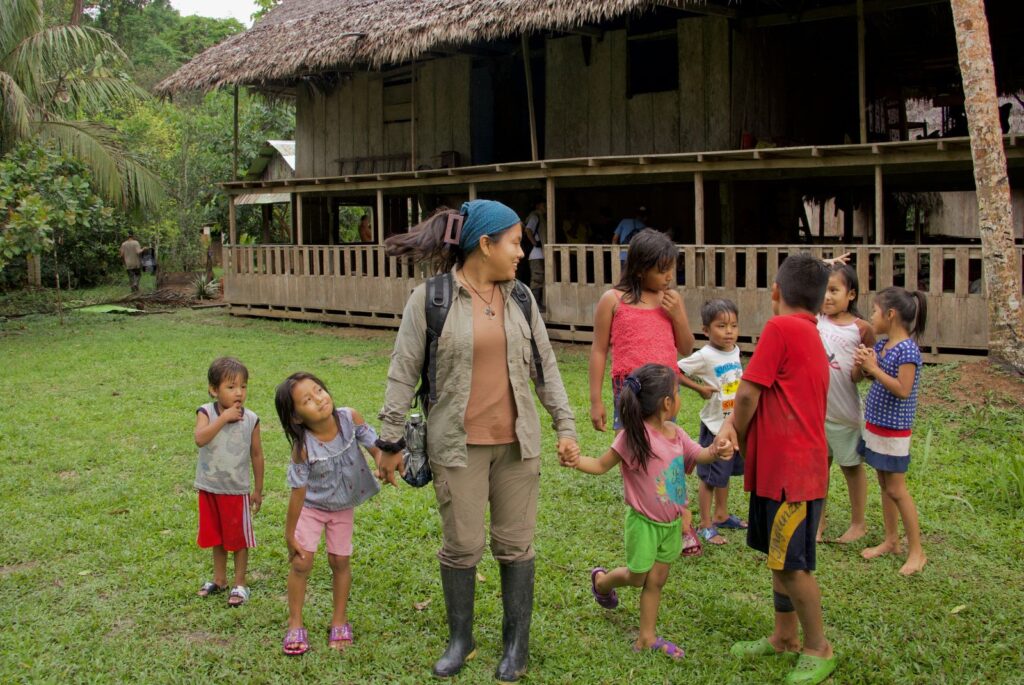
Afterwards, we took the opportunity to visit three different communities, learning about their lives in the jungle, playing games with the children and buying craft gifts that they made, a highlight for many.
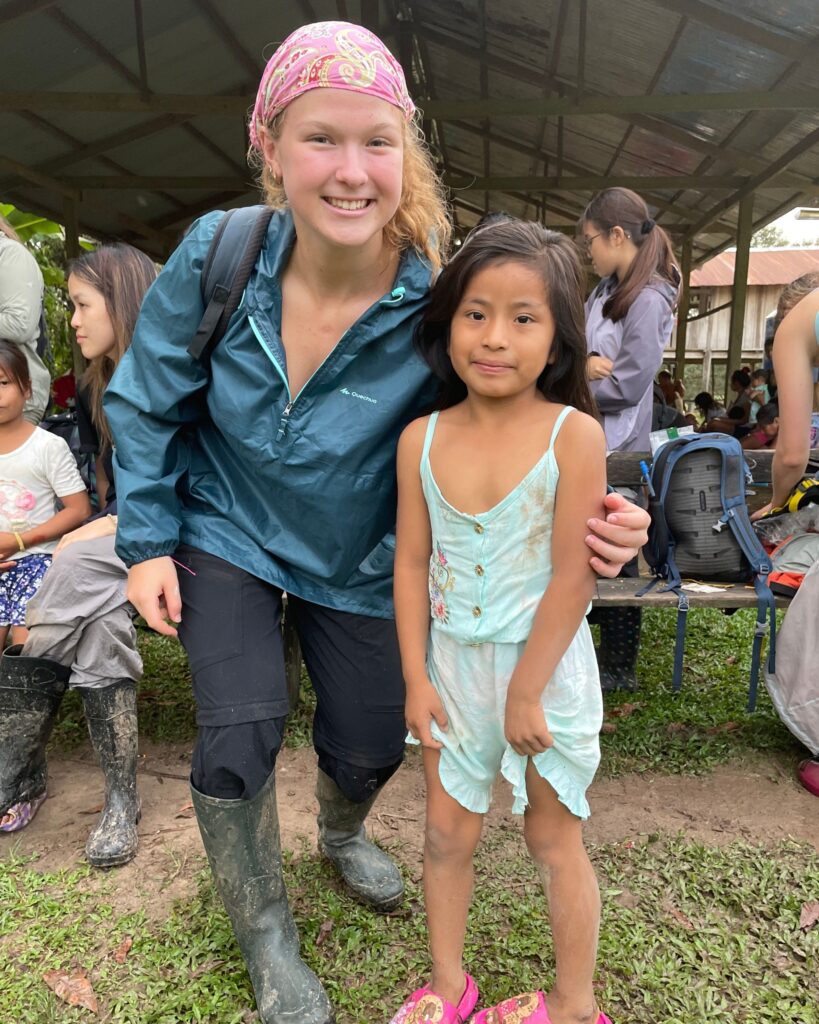
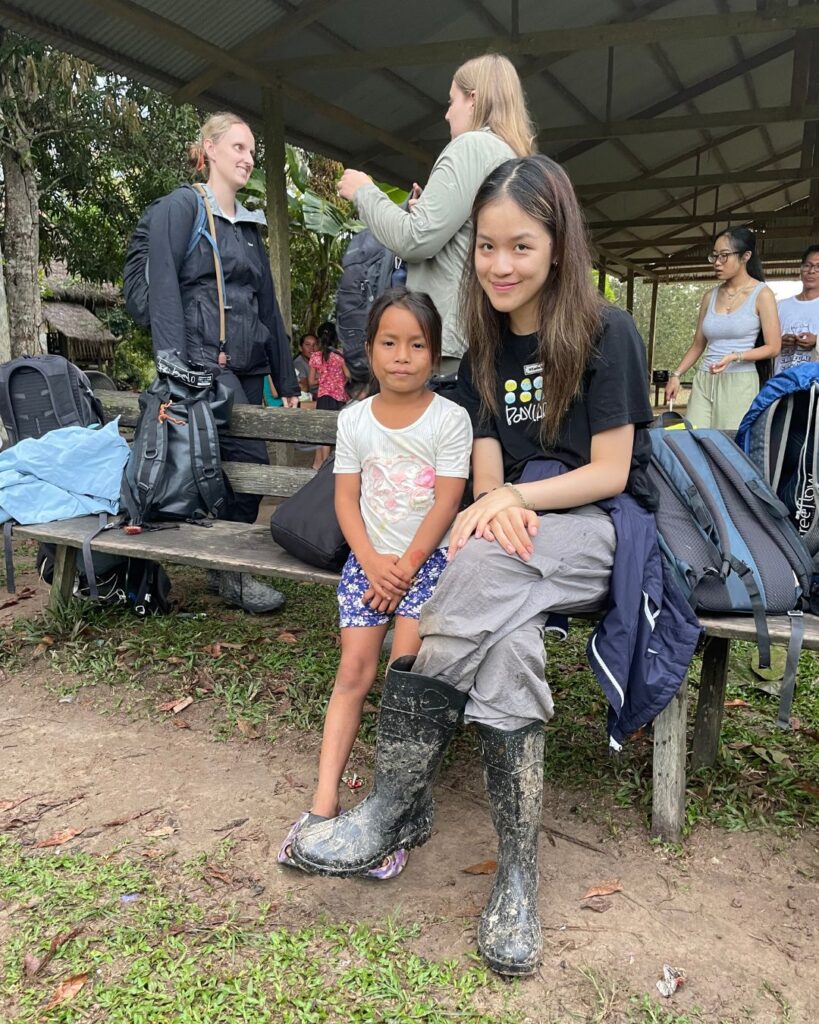
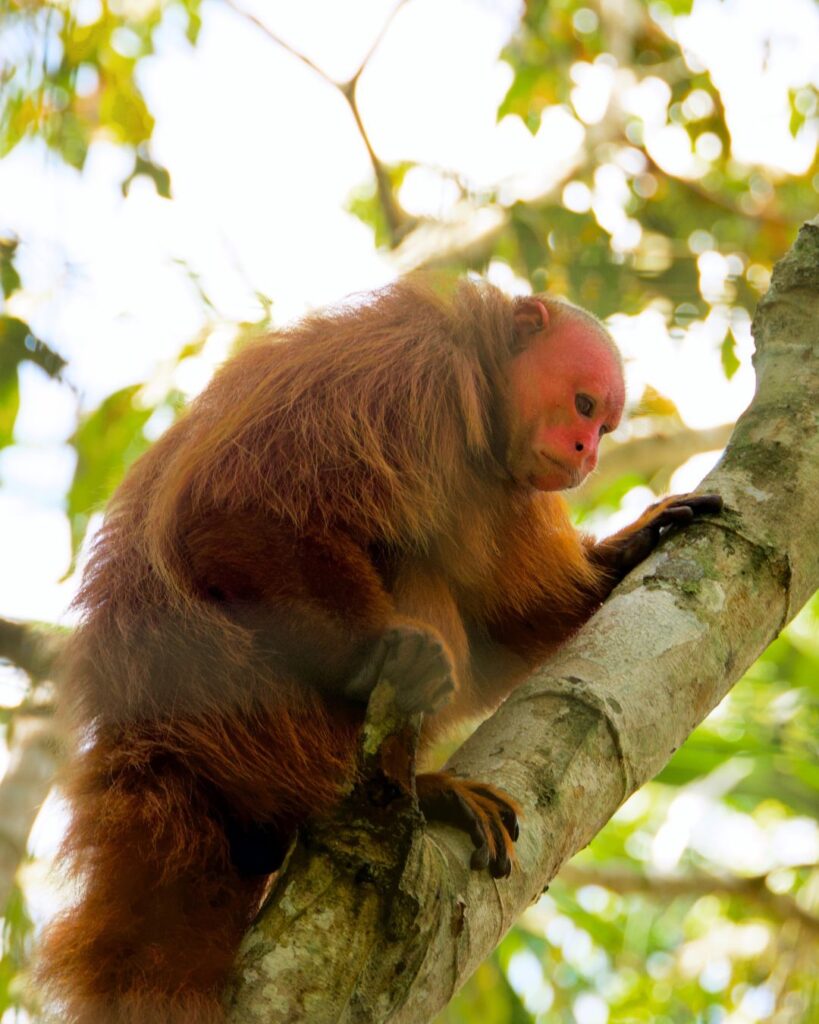
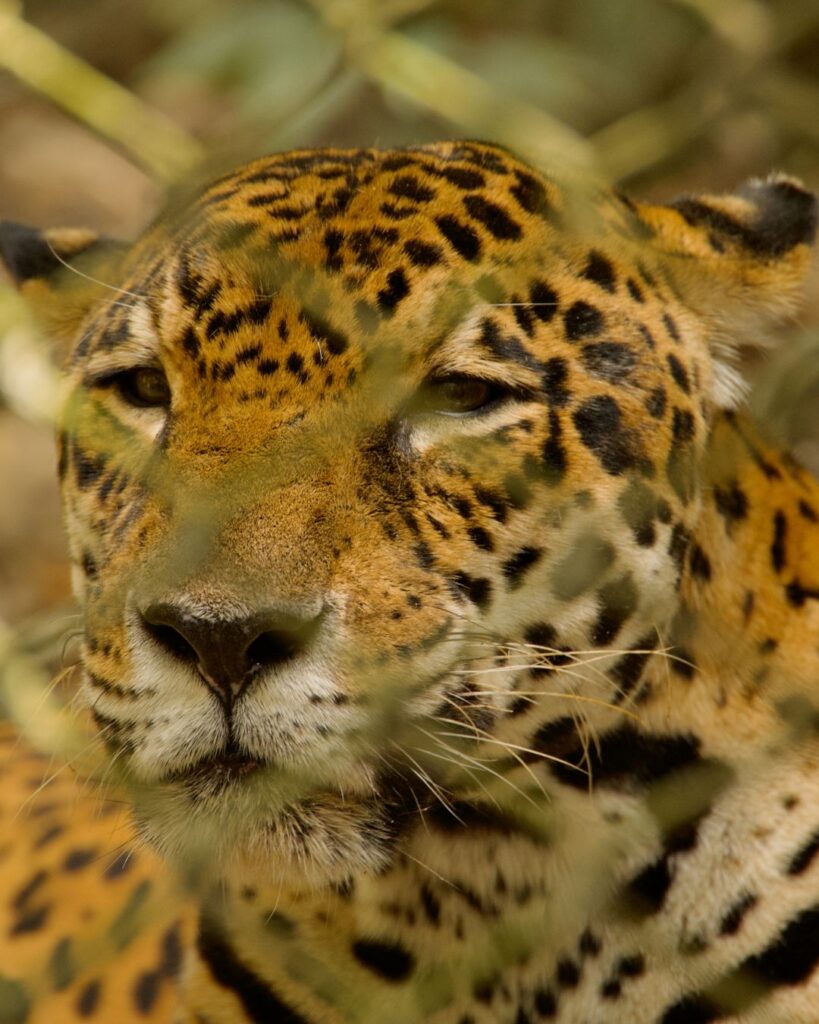
Too soon, the trip came to an end, and we headed back to Iquitos. We spent two nights in the city, allowing us to visit an animal rescue centre. This was a chance to see many of the animals up close that we had previously only seen at the top of trees or via a camera trap.
Overall, it was a very rewarding trip, and I am immensely proud of what the pupils achieved. I would also like to thank Miss Rowley for her help and support; it was greatly appreciated.
Mr Matthew Whiteley
Teacher of Biology
Keep up to date with further news from Wycombe Abbey on our social channels.