LVI and LV Classics Trip to the British Museum
12 June 2026 - Academic
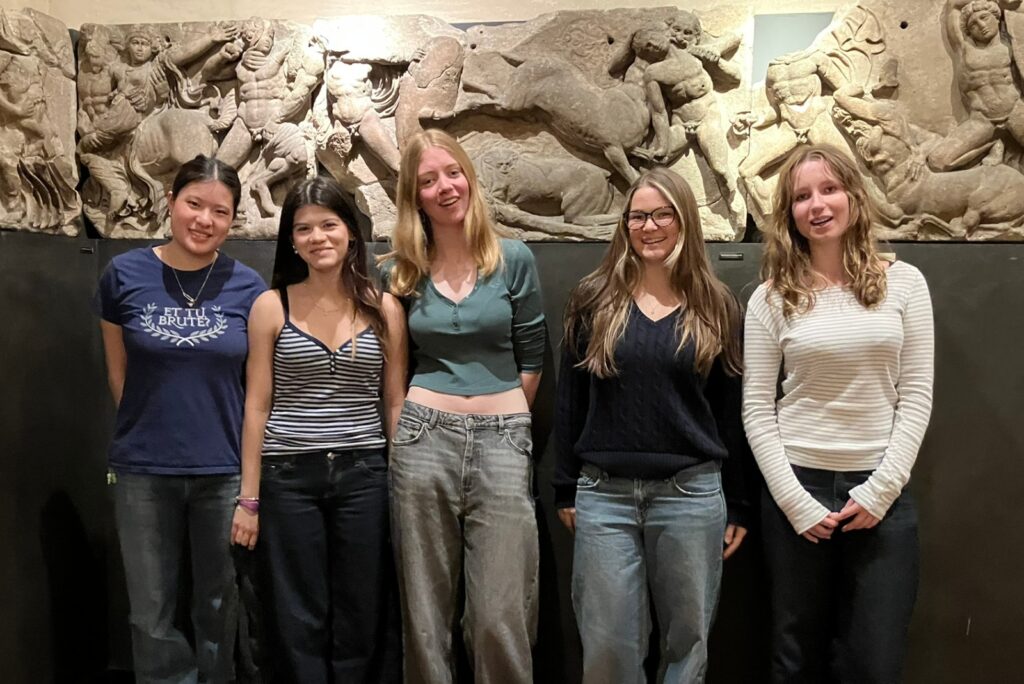
Last weekend, LVI pupils studying Latin, Greek and Classical Civilisation (alongside two LV classicists‑in‑the‑making) joined Miss Pemberton, Mr Bamforth and Mrs Belfield Santos on an inspiring and fun trip to the British Museum.
Many of us had been on the British Museum trip when we were in LV, so walking back into the same galleries felt nostalgic. Miss Pemberton challenged us to engage with fascinating finds from ancient Cyprus and Etruria; with two more years of knowledge under our belts, we really noticed how our perceptions of the ancient world had evolved.
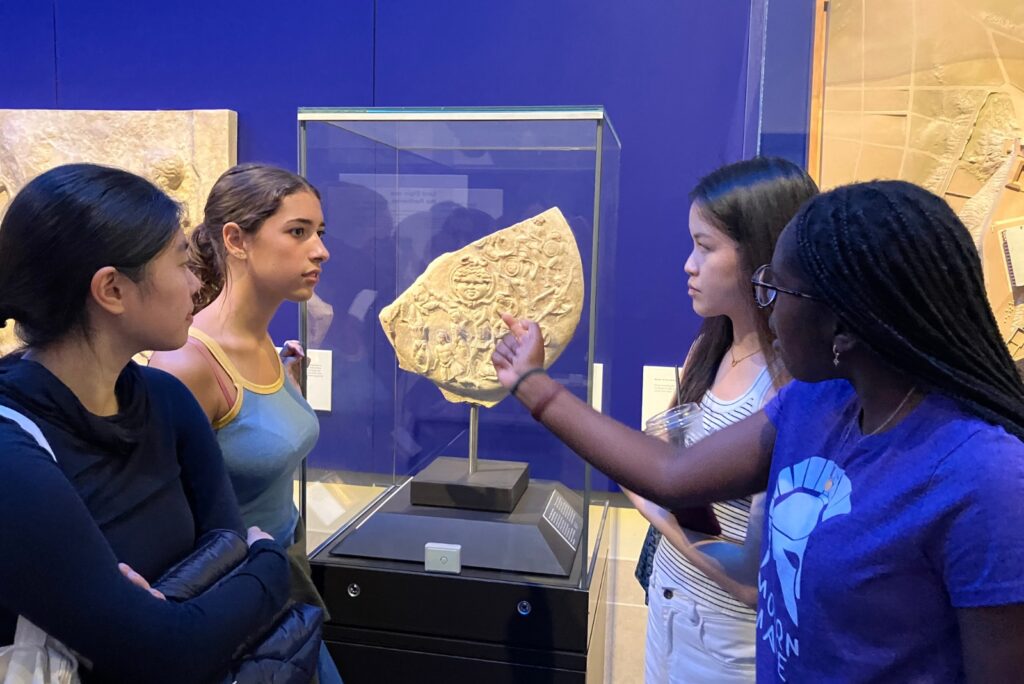
One of the highlights of the visit was the hour of independent exploration. We were each tasked with choosing an artefact to research and present to the group, and it was rewarding to hear everyone’s thoughts, ask each other questions, and realise how confidently we can now speak about our subject. We impressed Miss Pemberton with a collaborative discussion on a Roman copy of the famous Athena Parthenos shield, which we used to debate how and why the Romans adopted Greek culture.
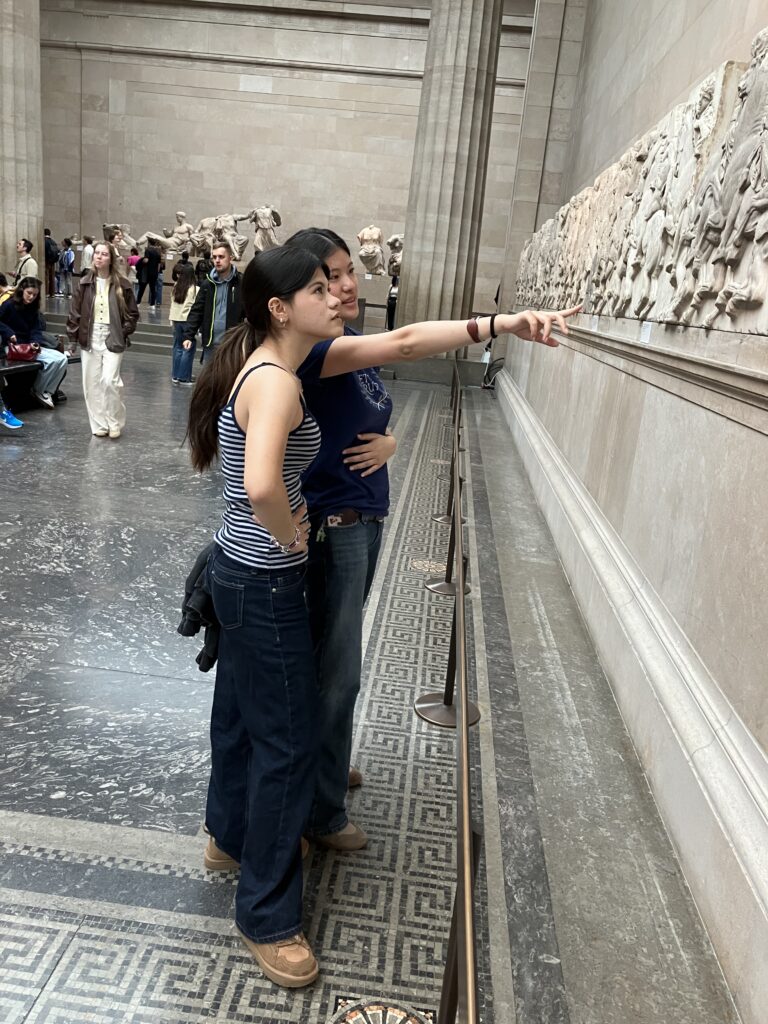
The trip was particularly exciting for those of us studying A Level Classical Civilisation, as we were able to see some of the sources we study for our Greek Art module in person – an experience very different from viewing them in our workbooks. Being able to see the details on ancient Greek vases up close enhanced our appreciation of their intricacy.
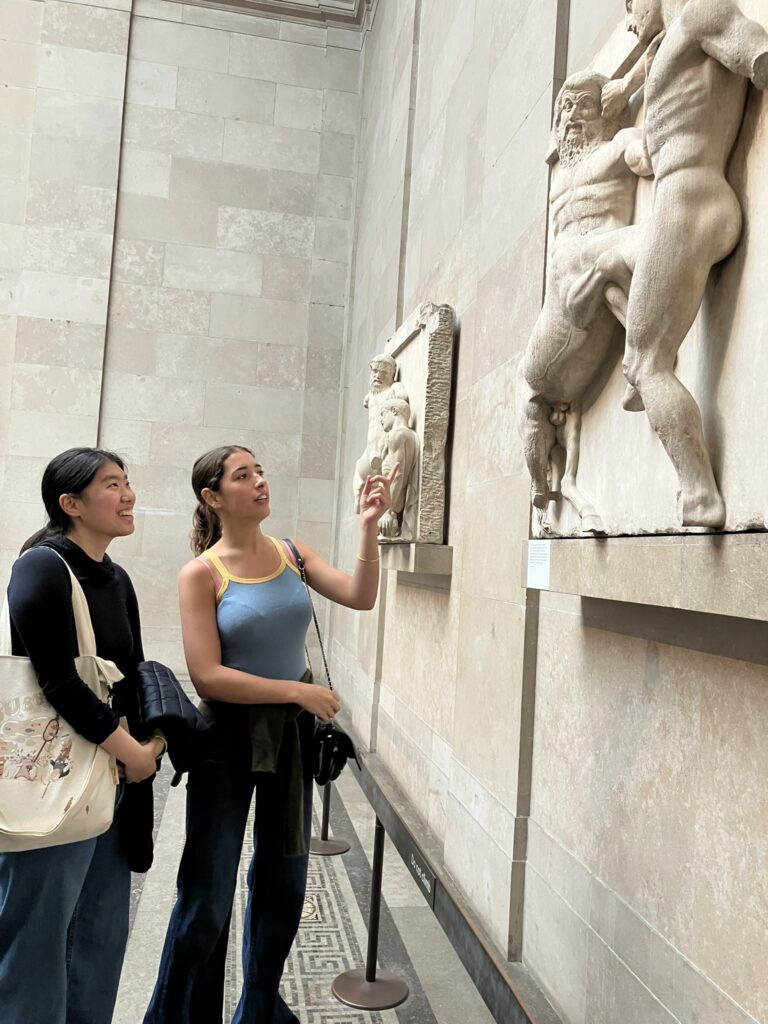
The most unforgettable experience of the day for Classical Civilisation pupils was studying the architectural sculpture of the Parthenon. Miss Pemberton asked us to choose an element of the Parthenon not on our A Level specification to present to the group. We used the visual analysis skills developed in class to identify artistic techniques, constraints of medium and differences between artists. Through this, we gained a closer understanding of the Parthenon as a whole and were able to see our set sources within a wider context.
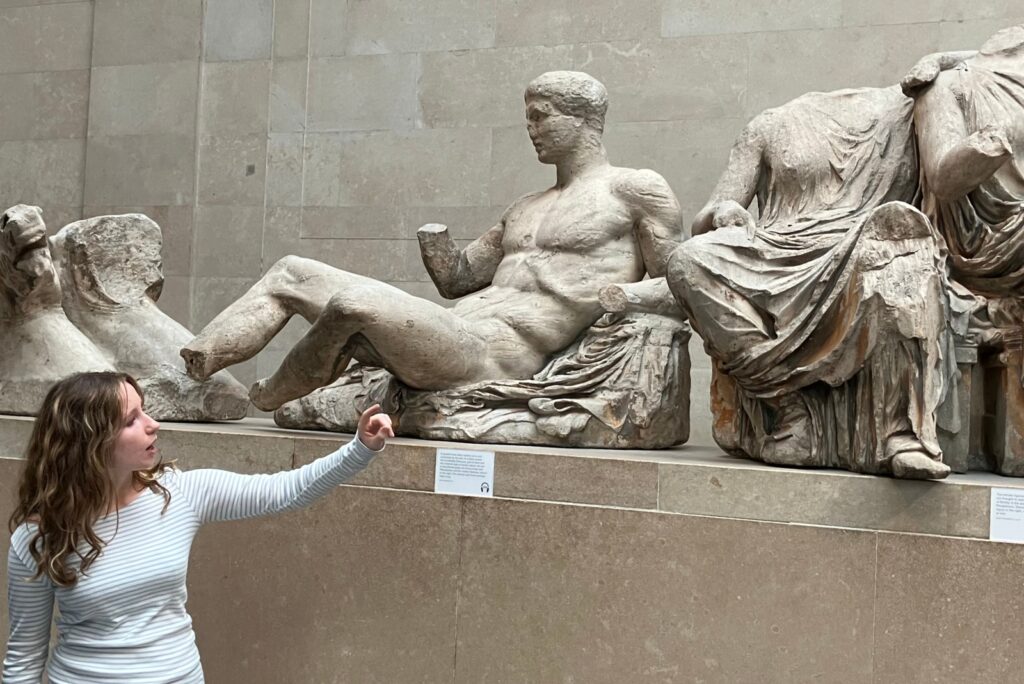
Viewing the Pedimental sculpture in person was especially enriching for us, considering our prior engagement with these three-dimensional artefacts was through two-dimensional photos. The magnitude of the statues on the Parthenon’s East and West pediments was astounding, and it was eye-opening to be able to view the level of anatomical detail of these sculptures, including veins and tension in their muscles.
Overall, the trip was a perfect mix of learning, discussion and shared enjoyment, and reminded us why we love both the subject and the department so much.
Mia, Izzy, Georgie (Heads of Classics Society), Eletta and Dottie
LVI
Keep up to date with further news from Wycombe Abbey on our social channels.